
Welcome to WordPress. This is your first post. Edit or delete it, then start writing!
Plant-Forward Diet and Kidney Health: How What You Eat Today Can Protect Your Kidneys Tomorrow!
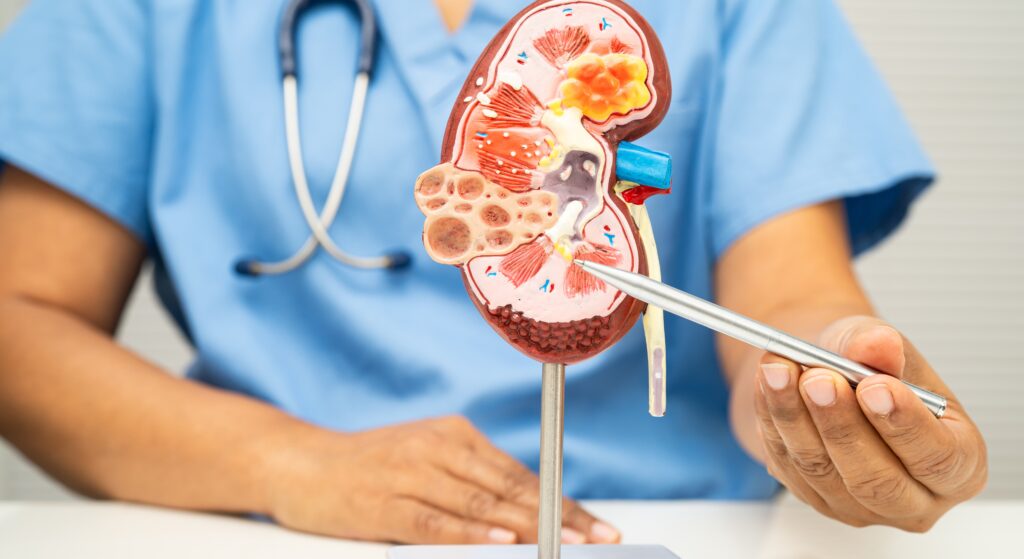
I’ll be honest—I didn’t think much about my kidneys until my dad’s creatinine levels started climbing. Suddenly, those bean-shaped organs became the center of family dinner conversations. That’s when I dove into the research and discovered something fascinating: the connection between what we eat and kidney health is stronger than most people realize.
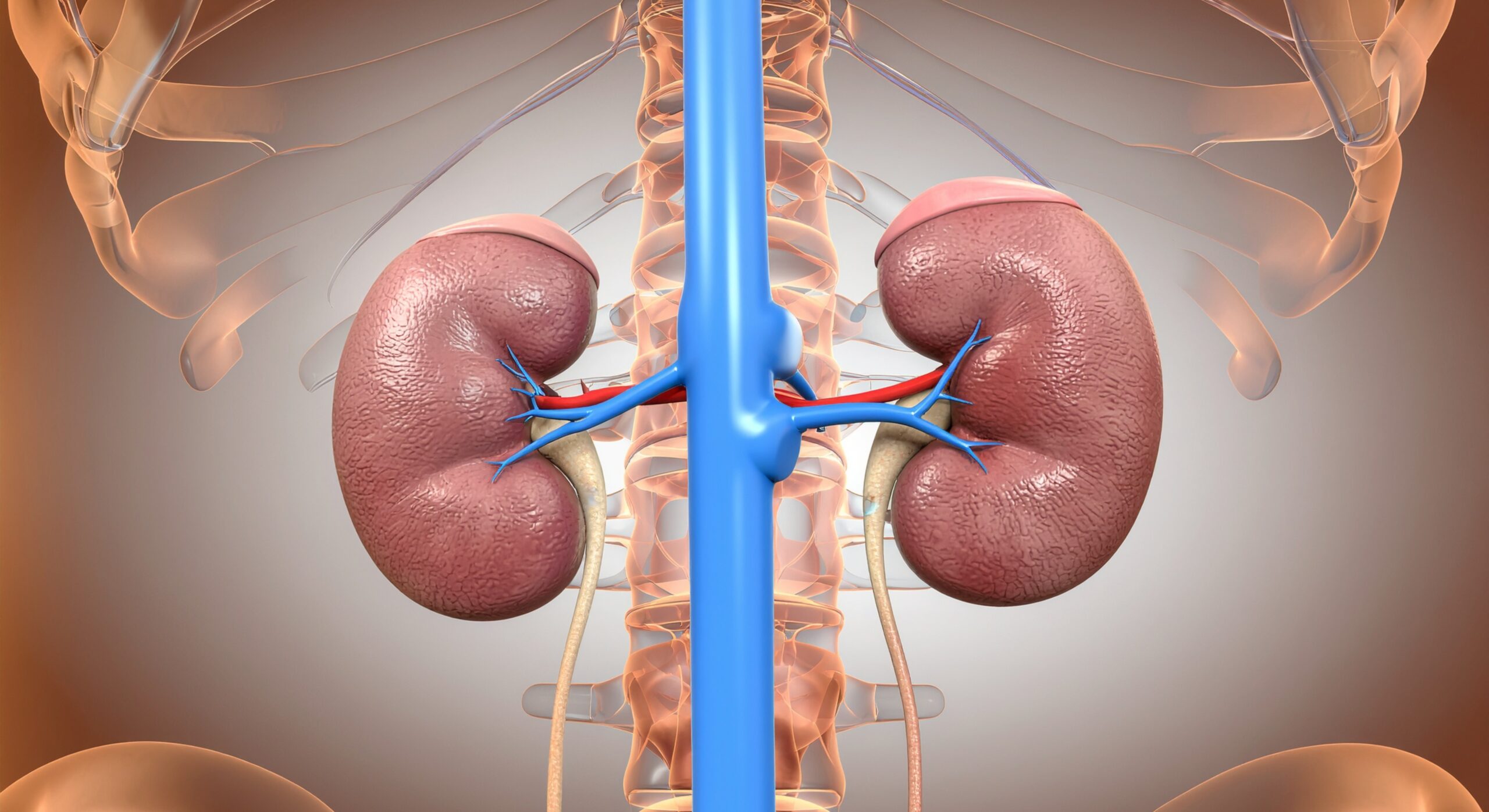
Your kidneys filter about 200 quarts of blood every single day. They’re working right now as you read this, cleaning your blood, balancing minerals, and keeping everything running smoothly. But here’s the thing—by the time you notice kidney problems, you’ve often already lost significant function. That’s why prevention matters so much.
The Plant-Forward Approach (Not What You Think)
When I say “plant-forward,” I’m not talking about going full vegan or giving up your favorite foods. My own diet includes eggs and occasional fish. Plant-forward just means vegetables, fruits, beans, and grains are the stars of your meals, not the side dishes.
Think of it this way: instead of a big steak with a small side salad, you’d have a massive Buddha bowl loaded with roasted vegetables, quinoa, chickpeas, and maybe some grilled chicken strips on top. The proportions flip.
Why Plants Actually Protect Your Kidneys
The research here is pretty convincing. A 2016 study in the Journal of Renal Nutrition found that people eating more plant-based foods had better kidney function markers. Another study tracking over 14,000 adults showed that higher plant protein intake was associated with lower risk of developing chronic kidney disease.
But why? It comes down to a few key factors.
First, there’s the acid issue. When your body breaks down animal protein, it creates acidic byproducts. Your kidneys have to work overtime to neutralize these acids. Plant proteins? They actually create alkaline byproducts, giving your kidneys a break.
I didn’t understand this until my dietitian friend explained it during a hiking trip. She said, “Your kidneys are like a water filtration system. Animal proteins are like dumping harsh chemicals in—sure, the filter can handle it, but it wears down faster.”
Second, phosphorus. Red meat, dairy, and processed foods contain high amounts of easily absorbed phosphorus. Too much phosphorus damages blood vessels in the kidneys. Plants contain phosphorus too, but in a form your body doesn’t absorb as readily, meaning less strain on the kidneys.
Third, inflammation. Chronic inflammation is like rust in your body’s pipes. Plant foods—especially colorful ones—are packed with antioxidants that fight inflammation. Berries, leafy greens, and cruciferous vegetables contain compounds that actually protect kidney cells from damage.

The Foods That Make a Difference
Last year, I started keeping a food journal specifically focused on kidney-friendly choices. Here’s what I learned works:
Berries are gold. Blueberries, strawberries, and cranberries are loaded with antioxidants. I keep frozen berries on hand and toss them into my morning oatmeal. Fresh is great, but frozen works just as well and is often cheaper.
Cauliflower became my secret weapon. It’s incredibly versatile—I’ve made cauliflower rice, mashed cauliflower, roasted cauliflower steaks, even cauliflower pizza crust. It’s low in potassium (important for kidney health) and high in vitamin C and fiber.
Red bell peppers surprised me. They’re sweet, crunchy, and kidney-friendly. I dice them into everything—salads, stir-fries, omelets. They contain way more vitamin C than oranges.
Garlic and onions do double duty. They add serious flavor so you don’t miss the salt, plus they have anti-inflammatory compounds. I roast whole heads of garlic and use it like butter on bread.
Cabbage is underrated. At $0.50 per pound, it’s cheap and nutritious. I make coleslaw, sauté it with garlic, or add it to soups. It’s high in vitamin K and C, low in potassium, and fills you up.
The Protein Confusion
Here’s where people get tripped up. “But don’t I need protein for my kidneys?” they ask.
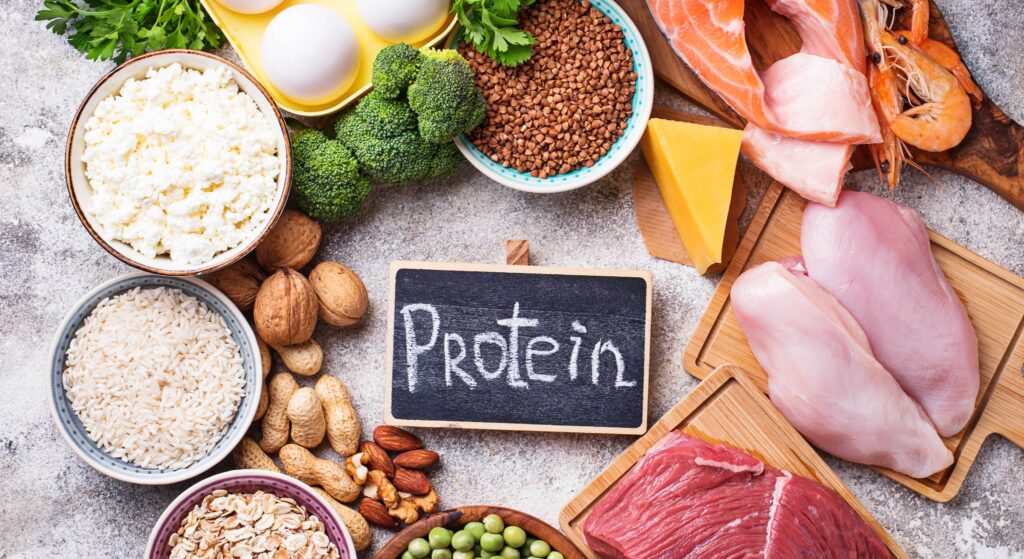
Yes and no. You need protein—it’s essential. But most Americans eat way more than necessary, and excess protein (especially from animals) can accelerate kidney decline if you already have kidney issues.
I aim for about 0.8 grams of protein per kilogram of body weight. For me at 160 pounds (73 kg), that’s roughly 58 grams daily. I get this easily from:
- A cup of cooked lentils (18g)
- Quarter cup of almonds (8g)
- Two tablespoons of peanut butter (8g)
- A serving of tofu (10g)
- Quinoa and whole grains throughout the day (10-15g)
Some days I add Greek yogurt or salmon, but I don’t stress about it. The variety is what matters.
What I Wish Someone Had Told Me Earlier
Start with breakfast. I used to grab bacon and eggs every morning. Now it’s oatmeal with berries, walnuts, and cinnamon. Or avocado toast with tomatoes. This one change boosted my plant intake significantly.
Batch cooking is essential. Every Sunday, I cook a big pot of beans, roast several sheet pans of vegetables, and prepare grains. During the week, I mix and match these into different meals. It takes two hours on Sunday but saves me 30 minutes every weeknight.
Herbs and spices matter more than you think. When you cut back on salt (which you should for kidney health), food can taste bland. I bought a good spice rack and learned to use turmeric, cumin, smoked paprika, fresh herbs, and nutritional yeast. Game-changer.
Don’t fear carbs from whole sources. Sweet potatoes, brown rice, whole wheat pasta—these aren’t your enemies. They provide energy and fiber. The problem is refined carbs like white bread and sugary snacks that spike blood sugar and stress the kidneys.
The Mistakes I Made (So You Don’t Have To)
When I first went plant-forward, I made some rookie errors.
Mistake #1: I bought every processed vegan product at the store. Plant-based burgers, cheese alternatives, frozen meals—most were loaded with sodium. My ankles swelled. Now I stick mostly to whole foods and read labels carefully.
Mistake #2: I thought salad meant health. I’d eat massive spinach salads every day. Turns out spinach is high in oxalates, which can contribute to kidney stones in some people. Variety matters—I rotate between spinach, kale, romaine, arugula, and cabbage.
Mistake #3: I went too extreme too fast. Tried to go completely plant-based overnight and lasted about a week before I was miserable and binging on pizza. Gradual changes stick better.
The Real-World Results
Three months into eating this way, I got bloodwork done. My creatinine levels (a kidney function marker) improved slightly. My blood pressure dropped from 135/85 to 118/76. I lost 12 pounds without trying—just by eating more fiber-rich foods that kept me full.
My dad, who inspired this whole journey, started eating more plant-based meals too. His nephrologist was impressed with his six-month follow-up results. His eGFR (estimated glomerular filtration rate—basically a kidney function score) stabilized instead of declining further.
The Bigger Picture Nobody Talks About
Here’s something interesting: the same foods that protect your kidneys also happen to protect your heart, reduce diabetes risk, and might even lower cancer risk. It’s almost like our bodies evolved to thrive on plants.
My doctor mentioned that 1 in 7 American adults has chronic kidney disease. Most don’t know it. The scary part? By the time symptoms appear—swelling, fatigue, nausea—you’ve often lost 75% or more of kidney function.
Prevention isn’t sexy. There’s no dramatic transformation photo. But maintaining healthy kidney function into your 60s, 70s, and 80s? That’s the real goal.
What About Dining Out?
I eat out regularly, and it’s totally doable. At Mexican restaurants, I order veggie fajitas with extra guacamole. At Italian places, pasta primavera loaded with vegetables. Thai food offers amazing plant-based curries. Even at steakhouses, I can build a meal from sides—baked potato, grilled asparagus, house salad, sautéed mushrooms.
The key is not being precious about it. If there’s butter on the vegetables, fine. If the beans are cooked with a bit of bacon, okay. Perfect is the enemy of good.
When You Should Talk to a Doctor
If you have diabetes, high blood pressure, or a family history of kidney disease, get your kidney function checked regularly. Simple blood and urine tests can catch problems early.
If you already have kidney disease, work with a renal dietitian. The rules change a bit—you might need to limit potassium and phosphorus more carefully, and protein requirements become more nuanced.
My Current Approach
These days, about 75% of my diet is plant-based. I eat eggs twice a week, fish once or twice, and occasionally have chicken or dairy. I don’t stress if I have a burger at a BBQ or turkey at Thanksgiving.
My fridge is always stocked with: hummus, fresh vegetables, berries, leafy greens, whole grain bread, tofu, beans, and nuts. My pantry has: quinoa, brown rice, lentils, canned tomatoes, olive oil, and lots of spices.
I meal prep on Sundays. I don’t count calories. I eat when I’m hungry and stop when I’m satisfied. The fiber from all these plants naturally regulates my appetite.
The Bottom Line
Your kidneys are filtering your blood right now. Every meal is either supporting that process or making it harder.
A plant-forward diet isn’t about restriction—it’s about abundance. It’s about filling your plate with colorful, flavorful, nourishing foods that happen to love your kidneys back.
Start small. Add beans to your soup tonight. Have berries with breakfast tomorrow. Roast some vegetables this weekend. Small shifts compound over time.
Your future self—and your kidneys—will thank you.