
Welcome to WordPress. This is your first post. Edit or delete it, then start writing!
Doctors and UK Health Chiefs Enter Talks to Prevent Further Strikes!
Introduction: A Critical Moment for the NHS
The United Kingdom’s National Health Service (NHS) stands at a defining crossroads. For more than a year, the healthcare system has been under immense strain due to workforce shortages, rising patient demand, cost-of-living pressures, and prolonged industrial action by doctors. Repeated strikes have disrupted routine care, delayed procedures, and intensified public concern about the future of healthcare delivery in the country.
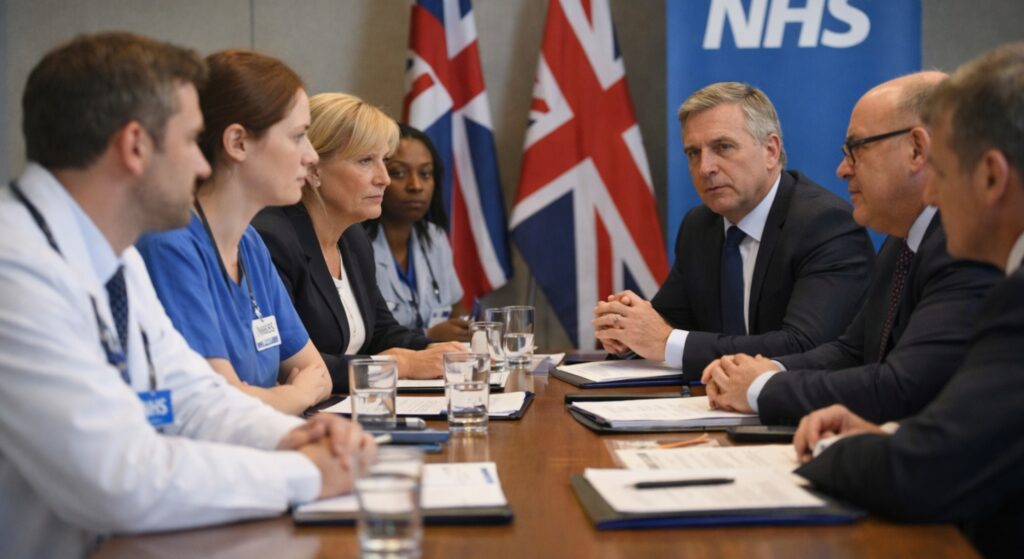
Against this backdrop, recent talks between doctors’ representatives and UK health chiefs signal a potentially crucial turning point. These negotiations aim to prevent further strikes and restore stability to NHS services that millions of people depend on daily. While no single meeting can instantly resolve deeply rooted challenges, the renewed dialogue reflects a shared recognition: prolonged conflict risks long-term damage to patient care, staff morale, and public trust.
This blog explores the background of the dispute, the reasons behind doctors’ strikes, the significance of current negotiations, and what the outcome could mean for the NHS, healthcare professionals, and patients across the UK.
Understanding the Roots of the Dispute
Long-Standing Workforce Pressures
The NHS has faced workforce challenges for years, but these pressures have intensified since the COVID-19 pandemic. Chronic staff shortages, particularly among junior doctors, consultants, nurses, and allied health professionals, have stretched services thin. Many doctors report working longer hours, covering rota gaps, and dealing with increasing clinical complexity without corresponding increases in staffing or resources.
Burnout has become a widespread issue. Surveys consistently show high levels of stress, anxiety, and exhaustion among NHS doctors. For many, industrial action was not an initial goal but a last resort after years of unaddressed concerns.
Pay Erosion and Cost-of-Living Crisis
At the heart of the strikes lies the issue of pay. Doctors’ unions argue that wages have failed to keep pace with inflation over the past decade, resulting in significant real-terms pay cuts. Junior doctors, in particular, have highlighted how rising housing costs, student loan repayments, and general living expenses have made it increasingly difficult to sustain a medical career in the UK.
While medicine has traditionally been viewed as a stable profession, many early-career doctors now question whether the financial sacrifices are sustainable. This has contributed to increasing numbers of doctors leaving the NHS for private practice, non-clinical roles, or opportunities abroad.
Impact of Repeated Industrial Action
Strikes by doctors have had a visible impact on NHS operations. Elective surgeries have been postponed, outpatient appointments rescheduled, and waiting lists—already at record levels—have grown further. Emergency and life-saving services have been maintained during strike days, but the cumulative effect of repeated disruptions has raised concerns about patient outcomes and system resilience.
Health leaders have repeatedly warned that while strikes highlight legitimate grievances, prolonged industrial action carries risks that extend far beyond the negotiating table.


Why These Talks Matter Now
Escalating Consequences for Patient Care
The timing of these negotiations is critical. The NHS continues to recover from pandemic backlogs while facing seasonal pressures such as winter surges, flu outbreaks, and increased hospital admissions. Any further strikes could exacerbate delays and put additional pressure on frontline staff.
For patients, the uncertainty has been deeply unsettling. Many individuals waiting for surgery or specialist consultations have experienced multiple cancellations, leading to prolonged pain, anxiety, and reduced quality of life. Health chiefs are acutely aware that public patience is wearing thin.
Retention Crisis in the Medical Workforce
Beyond immediate service disruption, the longer-term concern is workforce retention. A healthcare system cannot function effectively if it cannot retain experienced professionals. Doctors’ leaders have repeatedly warned that unresolved pay and working condition disputes will accelerate the exodus of staff from the NHS.
Negotiations aimed at preventing further strikes are therefore not only about avoiding short-term disruption but also about safeguarding the future medical workforce.
Political and Public Pressure
The NHS holds a unique place in British society. Any threat to its functioning quickly becomes a national issue. Government officials, health department leaders, and NHS executives face mounting pressure to demonstrate leadership, compromise, and accountability.
Public opinion has largely shown sympathy toward doctors, particularly regarding workload and burnout, while simultaneously expressing concern about the impact of strikes on patients. This delicate balance has added urgency to the talks.
Key Stakeholders at the Negotiating Table
Doctors’ Unions and Professional Bodies
Doctors are represented by professional bodies and unions that advocate for fair pay, safe working conditions, and sustainable workforce planning. These organizations emphasize that their demands are not solely about salary but about ensuring the NHS remains an attractive and viable place to work.
Union leaders have stressed that meaningful negotiation requires concrete commitments, not just reassurances. Trust, they argue, has been eroded by years of stalled discussions and unmet promises.
UK Health Chiefs and NHS Leadership
On the other side of the table are health chiefs, NHS England leaders, and government representatives responsible for funding and policy decisions. Their challenge is complex: balancing fiscal constraints, political realities, and the operational needs of a vast healthcare system.
Health leaders must consider not only doctors’ demands but also the implications for other NHS staff groups, public spending, and long-term sustainability.
The Government’s Role
Although negotiations may involve NHS leaders, ultimate decisions on pay and funding rest with the government. This adds another layer of complexity, as any agreement must align with broader economic policies and public sector pay frameworks.
Government involvement also means negotiations are closely scrutinized by the media and the public, increasing the pressure to reach a credible and transparent outcome.

What Is Being Discussed in the Talks?
Pay Structures and Fair Compensation
Pay remains the central issue. Doctors’ representatives are pushing for measures that address real-terms pay erosion, while health chiefs seek solutions that are financially sustainable. Discussions may include phased pay increases, one-off payments, or reforms to existing pay review mechanisms.
The challenge lies in finding a compromise that doctors view as meaningful while remaining acceptable within public spending limits.
Working Conditions and Staffing Levels
Beyond pay, working conditions are a major focus. Doctors have highlighted unsafe staffing levels, excessive workloads, and limited rest periods as key drivers of dissatisfaction. Talks may explore commitments to improve rota planning, increase training posts, and invest in workforce expansion.
Addressing these issues could have a lasting impact on morale and patient safety.
Long-Term Workforce Planning
Short-term agreements alone will not resolve systemic problems. Health chiefs and doctors’ leaders alike recognize the need for long-term workforce planning that aligns medical training capacity with future demand.
Discussions may include strategies to improve retention, reduce reliance on temporary staff, and create clearer career progression pathways within the NHS.
Potential Outcomes of the Negotiations
A Breakthrough Agreement
In the best-case scenario, talks could result in an agreement that prevents further strikes and sets a foundation for rebuilding trust. Even a partial resolution could provide breathing space for the NHS to stabilize services and address backlogs.
Such an outcome would send a positive signal to healthcare staff and reassure the public that constructive dialogue can deliver results.
Temporary Pause, Not a Full Resolution
Another possibility is a temporary pause in industrial action while discussions continue. While this would reduce immediate disruption, it may not fully resolve underlying tensions. Without clear timelines and commitments, the risk of future strikes would remain.
Breakdown of Talks and Renewed Action
If negotiations fail, further strikes could follow, potentially on a larger scale. This would intensify pressure on NHS services and deepen divisions between staff and leadership. Many observers view this as the outcome everyone is trying to avoid.
Impact on Patients and Public Trust
Short-Term Disruptions
Patients have already borne the brunt of service disruptions. Any further strikes would likely lead to additional cancellations and delays, particularly for non-urgent care. Vulnerable populations, including older adults and those with chronic conditions, are especially affected.
Long-Term Confidence in the NHS
Public trust in the NHS is closely tied to its ability to provide timely, safe, and compassionate care. Prolonged industrial disputes risk undermining confidence in the system’s stability.
However, transparent and successful negotiations could have the opposite effect—demonstrating that challenges can be addressed through dialogue and reform.
The Wider Implications for UK Healthcare
Setting a Precedent for Other Staff Groups
Doctors’ negotiations are being closely watched by other NHS staff groups, including nurses and allied health professionals. Any agreement could set a precedent for future pay and workforce discussions across the public sector.
Lessons for Healthcare Systems Globally
The issues facing the NHS are not unique. Healthcare systems worldwide are grappling with staff shortages, burnout, and rising costs. How the UK navigates this dispute may offer valuable lessons for other countries facing similar challenges.


Conclusion: A Chance to Reset the Relationship
The talks between doctors and UK health chiefs represent more than just wage negotiations—they are a test of whether the NHS can adapt to modern challenges while preserving its core values. Preventing further strikes is essential, but lasting progress will require honesty, compromise, and a shared commitment to the future of healthcare.
For doctors, the negotiations are about recognition, fairness, and the ability to provide safe care without sacrificing personal well-being. For health chiefs and policymakers, the challenge is to secure a sustainable agreement that protects patients and strengthens the system.
As discussions continue, the hope is that all parties will seize this opportunity to reset relationships, restore trust, and ensure that the NHS remains resilient for generations to come.